In any Explore It! science program, it is important that the Instructor come prepared, having reviewed any relevant information and instructions prior to the lesson and understanding the experiment fully. Sometimes – it may be helpful to arrive early and try/test the experiment yourself.
Additionally, Instructors are encouraged to research on their own for each lesson – reviewing blogs and/or short videos on the subject. Most importantly, wherever possible, Instructors should not be reading from notes in the class, but rather facilitating and engaging in the experiment with the students.
Note that in a Science Program, the Instructor(s) will need to figure out the best way to approach the material and may need to modify a lesson to make it age appropriate and engaging for their group. Lessons can be broken into segments and expanded upon over several sessions, or they may be combined or revisited to explore subjects more deeply/seamlessly. This should be considered during the class planning stage BEFORE arriving at the school. Senior Instructors are a good resource for development in this area and of course, Liz is always available to help.
Finally – note that Instructors will need to pull the supplies needed for each lesson from their bin/locker and should arrive at the school with plenty of time to organize and prepare themselves. Instructors will need to think through each lesson ahead of time, to ensure they know what supplies will be needed. A reminder – it’s always a great idea to plan a week in advance so that you can let Liz know if you are running low on any supplies!
Remember – if you aren’t excited by what’s happening – your students won’t be either — so get excited, this is a science program after all!
All Science programs should actively engage through the STEAM method.
STEAM is an approach incorporating Science, Technology, Engineering, the Arts and Mathematics as access points for guiding student inquiry. In an effort to provide quality programming, we want to ensure that our lessons carefully and thoughtfully incorporate the core components of the STEAM philosophy:
- STEAM experiences involve two or more standards from Science, Technology, Engineering, Math and the Arts to be taught in and through each other,
- Inquiry, collaboration, and an emphasis on process-based learning are at the heart of the approach,
- Utilizing and leveraging the integrity of the arts themselves is essential.
Students and teachers engaged in STEAM understand that we are always learning, always growing and always experimenting.
See an activity booklet for programming inspiration here.
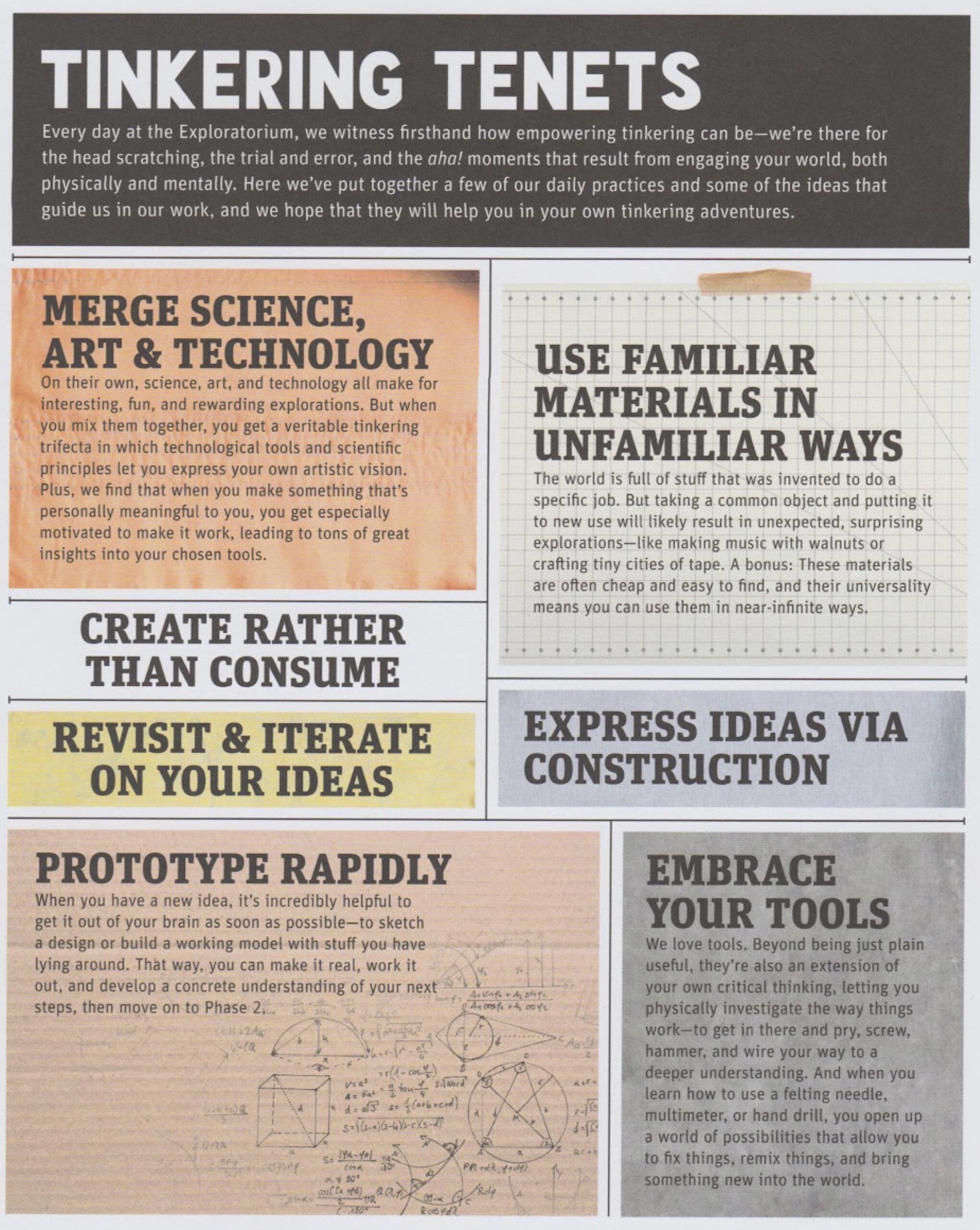
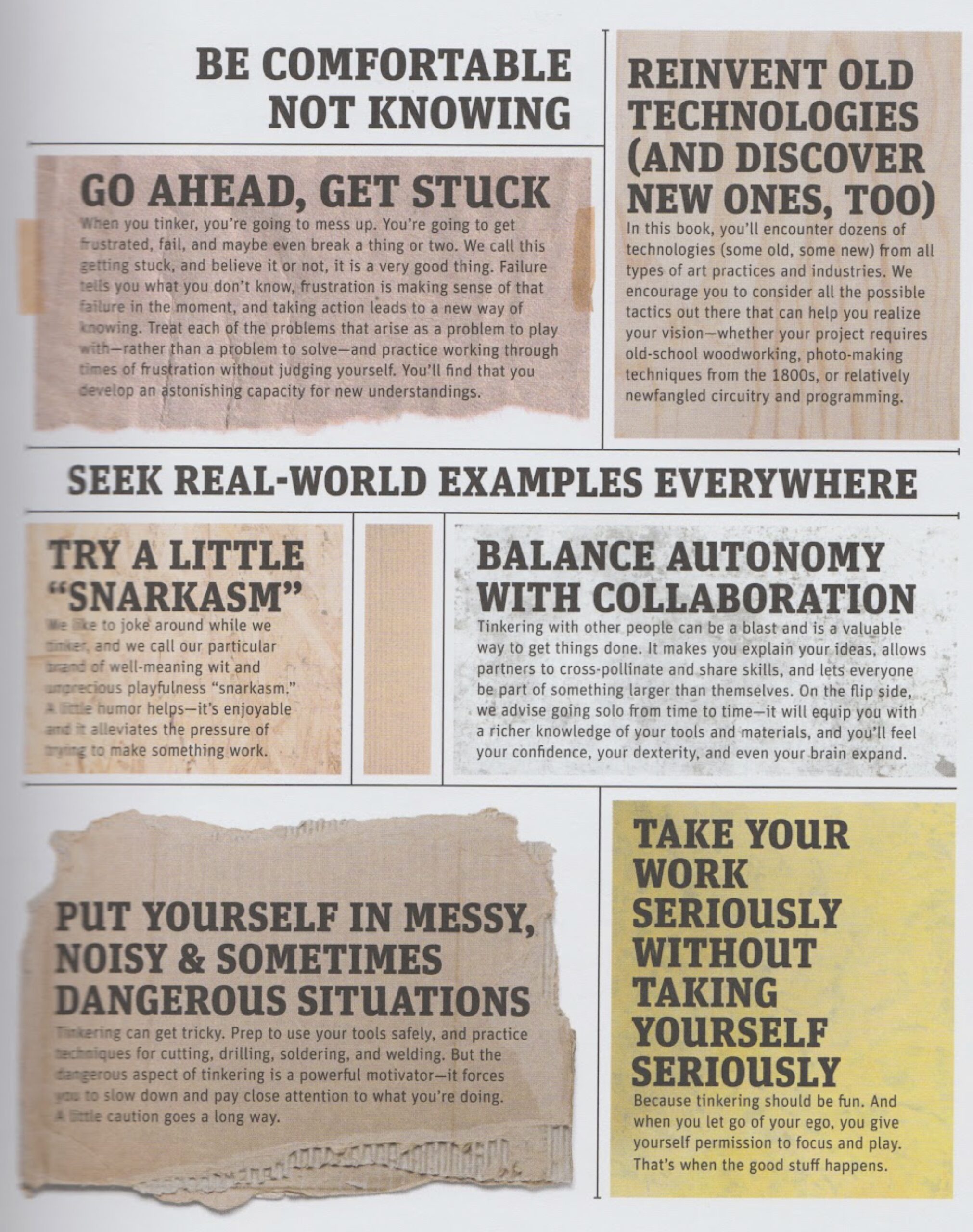

See the Engineering Program Packing List here.
• • •
Engineering Programs Include:
Let’s Make it all in MakerLab! This STEAM based program encourages curiosity and creative thinking through problem-solving, questions and hands-on experiments that explore art, science and more. Join us in MakerLab this term to explore a world where Science, Technology and Art intersect – from Watercolour Explorations and Hanging Structures to Ramps and Marble Runs, we’ll Make it all!
Let’s get Tinkering in TinkerLab! This STEAM based program encourages curiosity and creative thinking through problem-solving, questions and hands-on experiments that explore art, science and more. Join us in TinkerLab this term to explore a world where Science, Technology and Art intersect – from Watercolour Explorations and Hanging Structures to Ramps and Marble Runs, we’ll Tinker with it all!

See the General Science Program Packing List here.
• • •
General Science Programs Include:

Chem-mystery: (NOTE: Instructors should choose lessons largely from the “Chemistry Lesson” folder found at the link above.) From crazy concoctions to exploding creations, chemical reactions are all around us – but for many, the science behind these reactions remains a mystery. Join us in becoming Junior Chemists by practicing proper lab techniques through experimental chemistry to solve the Chem-Mystery!
Discovery Lab: Expand your scientific mind and discover how the world works in your very own discovery lab! By participating in fun, hands-on activities and experiments, students will develop their understanding of how science applies to the world around them. From ecosystem interactions to weather, or the kinetic differences between solids, liquids and gases, Discovery Lab has something for everyone!

Spangler Science: Budding chemists, physicists and biologists unite: Spangler Science is here for you to begin exploring, inspecting, and experimenting! In this program, students will use Steve Spangler’s acclaimed scientific methods to bring meaning to their senses, to discover the characteristics of different materials and how they can be manipulated, and to learn to express their findings using scientific vocabulary. Can you make a bubble dance or make sound visible? Find out as you bring science to life, with Spangler Science!

Science Explorers: Encourage curiosity and creative thinking through problem-solving, questions, and hands-on experiments in this STEM program. Each session blends Science, Technology, and Engineering as we tinker, test, and build—think simple circuits and sensors, mini-bridge designs, safe kitchen-chemistry reactions, and playful coding challenges. Learners will ask great questions, form hypotheses, record observations, and work as a team to find solutions. Join us for a fun, confidence-building adventure where ideas come to life and everyday mysteries make perfect sense!

In Science Playground: Experiment Lab, students become curious scientists as they explore exciting hands-on experiments that make science feel like play. Each week features new activities where students mix, test, build, and observe as they investigate topics like chemical reactions, forces and motion, air and water, and simple engineering challenges. With a focus on curiosity, safe experimentation, and “try it and see!” learning, students build confidence, critical thinking, and problem-solving skills—while having a ton of fun discovering how the world works.

Curious minds wanted! At The Science Spot, kids become hands-on scientists as they explore the wonders of the world around them through exciting, age-appropriate experiments. Each session begins with a big question—Why does it fizz? What makes things fly? Can we build a better bridge?—and ends with real discovery, as students test ideas, make predictions, and dive into the scientific method through fun, messy, and memorable activities. From chemistry and physics to engineering challenges and nature exploration, this program helps build critical thinking, observation skills, and a lifelong love of asking why. Because in The Science Spot, every question is the beginning of an adventure!
Additional Science and Science Based STEAM Programs:



Also titled Outdoor Adventures Club